handwritingguide.com
Maps the whole route in one sitting: slow letter formation first, then joins, then speed, with advice for both children and adults. Read it first so the later pieces slot into a plan.
Compiled by CollectboardHow we make these listsUpdated 12 items
Learning how to write cursive without a teacher stalls for ordinary reasons: a cramped grip, letters practiced in the wrong order, joins that fall apart at speed. This list is for adults and teens relearning the skill, and for parents or tutors teaching a child. Everything here is free to read, watch or print, and the sources are teachers, schools and libraries rather than product roundups.
handwritingguide.com
Maps the whole route in one sitting: slow letter formation first, then joins, then speed, with advice for both children and adults. Read it first so the later pieces slot into a plan.

HSE.ie
Covers seating at roughly 90-degree angles, tilting the paper for left- and right-handers, and the dynamic tripod grasp, with a video. Best for parents setting up a child's desk, though adults can borrow the paper-position advice.

YouTube
Starts a free beginner course with basic strokes and shapes, the drills that come before any letter. Watch it as your warm-up before each session, then continue through the playlist linked in the description.

Consistent Cursive
A free 44-video course, over 5.5 hours, moving from body position, pen grip and paper position through every letter group to figures. Best for adults starting from zero; record the 'before' sample in the intro so progress is visible later.

Super Teacher Girl · Carrie Carter
Teaches lowercase first because every lowercase letter starts from the baseline, then builds on the few basic strokes all cursive shares. Parents and tutors get a teaching order, plus a useful habit: showing how each cursive letter relates to its print twin.

K5 Learning
Free, printable sheets that climb from the alphabet to letter joins, words, sentences and full passages. Use it for the long middle stretch, printing a few pages per stage and copying until that stage feels easy.

teachhandwriting.blog
Sorts joins into four groups (bottom, bottom to a 'c' shape, 'e' and top joins) and recommends teaching bottom joins first, then 'e' joins, then top joins. Tutors, and anyone whose words fall apart between letters, should drill one group at a time.

WriteWithYourArm.com
Shows three ways to write faster without wrecking legibility: write smaller, reduce the slant, and simplify letter forms. Read it once the letters feel comfortable; the exercise is to see how small you can write while staying readable.

dynamilis.com
Defines fluency as writing smoothly and quickly without losing legibility or control, and ties it to rhythm. A useful check for any child or adult who can form every letter but still writes slowly.

ThePalmerMethod.com
Dave's video and transcript explain who Palmer was and what defines the system: its letterforms and the movement used to write them. Best for adults who want a plain, fast business hand rather than a decorative one.

Internet Archive
Smithsonian Libraries' scan of the 1915 edition, written as self-teaching lessons in plain, unshaded, muscular-movement writing for the home learner. Read it after the Palmer intro series, working the drills with a pen rather than just reading.
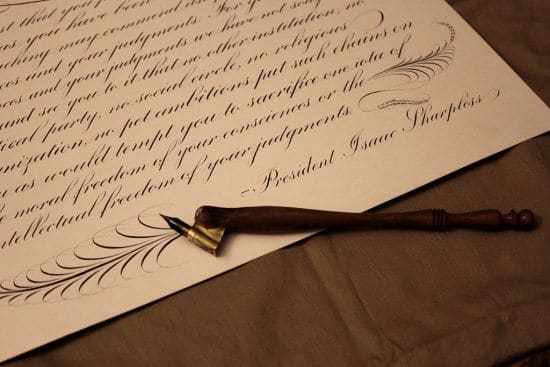
The Art of Manliness · Brett and Kate McKay
A primer for adults who apologize for their handwriting, pairing the case for better penmanship with practical ways to improve. Return to it when motivation dips or you want an independent writer's view rather than a curriculum.


Learning how to skate goes faster when you know which skill comes next and which advice will land you on your tailbone. This list is for…
13 itemsUpdated



The best way to learn how to ride a motorcycle is with a coach and a closed range, and the free material here is built to support that,…
12 itemsUpdated




How do you learn to type properly when you already get by with two or three fingers, or have never typed at all? This list is for…
13 itemsUpdated