
YouTube
3Blue1Brown's video primer covers what an LLM is, how a chatbot is built from one, and what pretraining and transformers contribute. Watch it first to get a visual frame before reading anything.
Reviewed by the Collectboard teamHow we make these listsUpdated 12 items
This list is for professionals who use AI chatbots at work and want a working model of what is happening inside them, without learning to code. The goal is practical. After reading, you should be able to tell when a chatbot is on solid ground and when it is about to hand you something fluent and wrong.
YouTube
3Blue1Brown's video primer covers what an LLM is, how a chatbot is built from one, and what pretraining and transformers contribute. Watch it first to get a visual frame before reading anything.

Ars Technica · Timothy B. Lee
Starts with word vectors and works up to how a model picks its next word, in plain language. It also says early that no one fully understands the inner workings, a fact worth carrying through everything else here.

NBC News · JoElla Carman, Jasmine Cui
Compares a chatbot to the predictive text on your phone and argues that being correct is a byproduct of sounding natural. That one idea explains why answers can be fluent and wrong.
Medium · Joseph Lochlann Smith
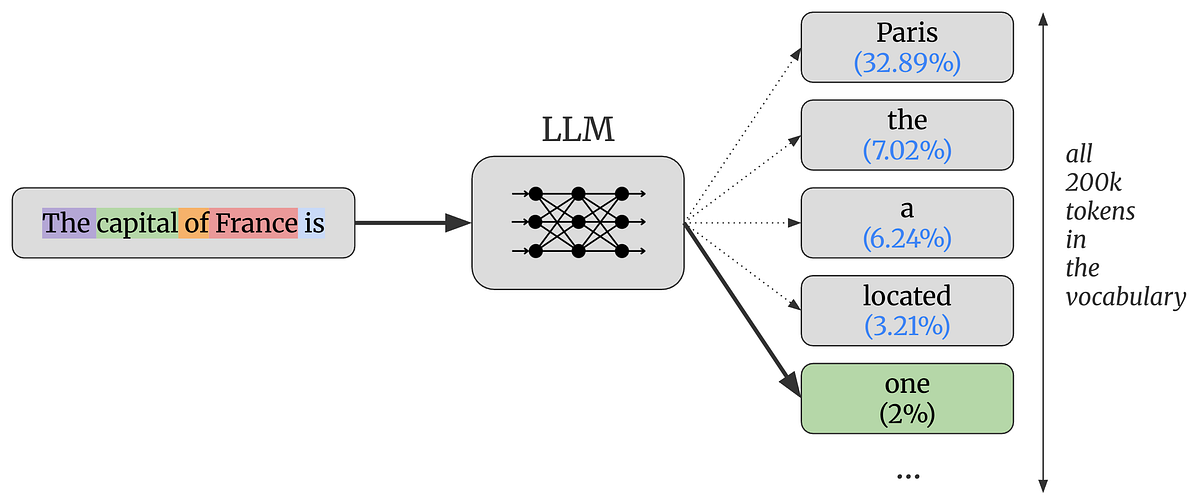
A newsroom AI tech lead uses example conversations with Claude to show how chat apps conceal a model that takes in text and guesses what comes next. Read it to correct the assumptions a chat window invites.

OpenAI
OpenAI's researchers argue models hallucinate because training and testing reward guessing over admitting uncertainty, like a multiple-choice exam where a blank answer scores zero. Published September 5, 2025, it is a vendor source with a concrete explanation.

MIT News | Massachusetts Institute of Technology
A model answers "France" to a nonsense question built on the grammar of "Where is Paris located?". The example shows how a fluent answer can come from learned sentence patterns instead of domain knowledge.

Drew Breunig
Explains what "thinking" modes are, how models are trained to write step-by-step notes before answering, and why they excel at coding and math but struggle to improve elsewhere. Read it before assuming the reasoning button helps your task.
Simon Willison’s Newsletter · Simon Willison
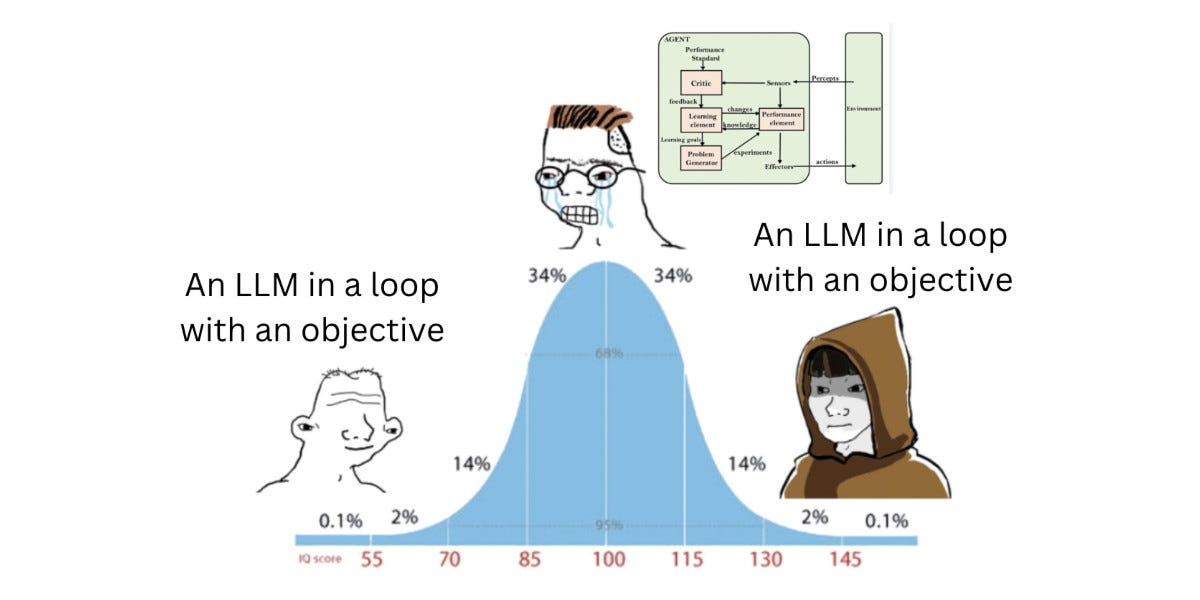
Gives a one-line working definition: an LLM agent runs tools in a loop to achieve a goal. Useful for decoding talk about agents and tool use, from an author who admits he avoided the word for years.

Columbia Journalism Review
The Tow Center put eight AI search tools through news-retrieval tests. They often answered confidently instead of declining, fabricated links, and cited copied versions of articles. Read it before treating a cited answer as a checked one.

PsyPost - Psychology News · Eric W. Dolan
Reports a study of ten prominent models that overgeneralize scientific findings, with newer models worse and explicit requests for accuracy making it worse. Matters if you use a chatbot to summarize research for work.

One Useful Thing · Ethan Mollick
Mollick revisits the "jagged frontier": AI can be superhuman at some tasks and bad at simple ones, in ways that defy human intuition about difficulty. He rejects the idea that rapid improvement will make that unevenness irrelevant.

Stanford Graduate School of Business
Mollick's practical advice on working with AI, including his rule of thumb that about ten hours of hands-on use is needed to learn what it does and does not do well. Finish here, then test it on your own tasks.


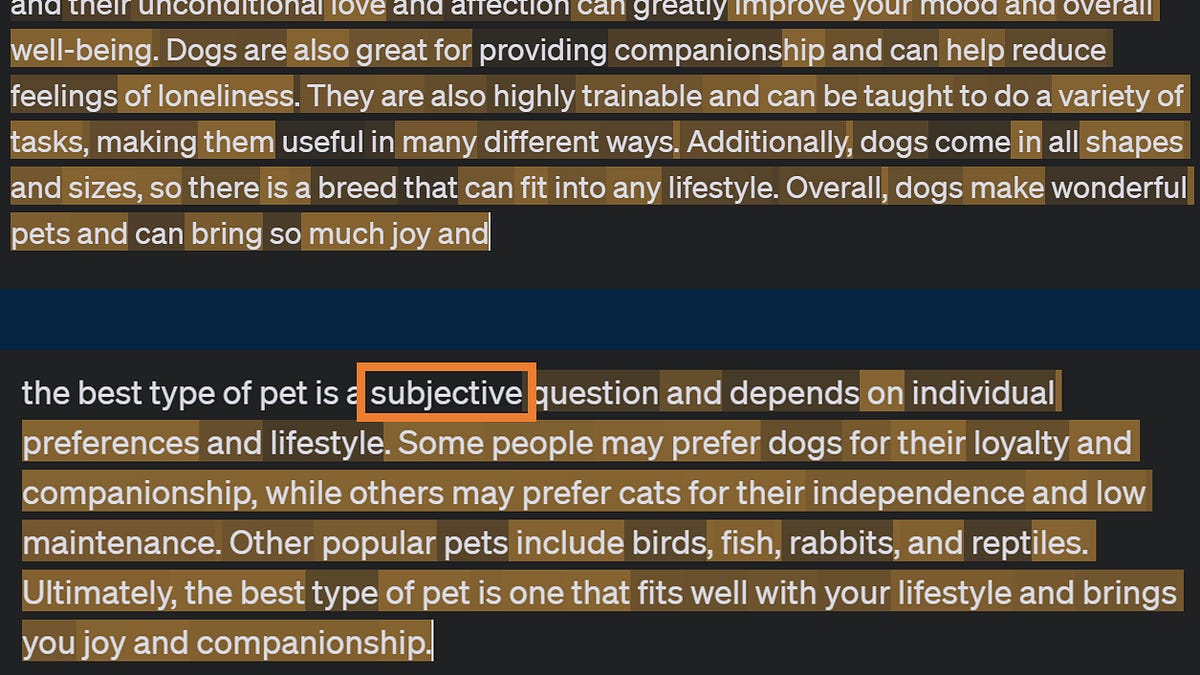

How to learn about AI depends on what you want from it: to understand it, to use it well, or to build it. This list starts with…
13 itemsUpdated



How to learn to program is an overwhelming question mostly because every answer comes with a sales pitch. This list is for beginners who…
12 itemsUpdated



Anyone working out how to learn SQL for free runs into hundreds of tutorials and little guidance on what comes after the first SELECT.…
13 itemsUpdated